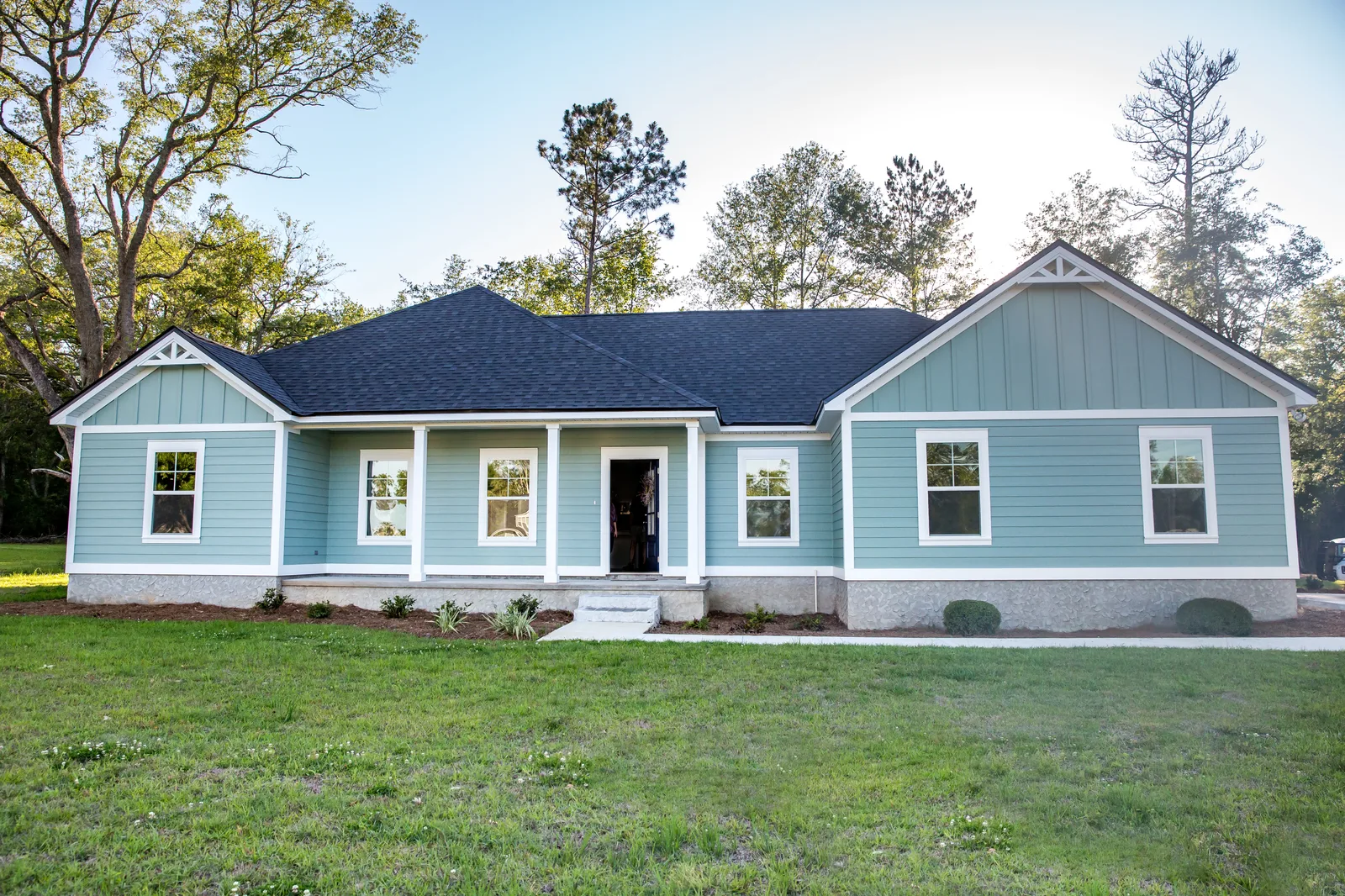
White house with dark asphalt shingle roof and brick chimney

Roofing in Bentonville’s historic districts

The historic houses along West Central Avenue and SE Third Street bring older roof shapes, chimneys and later alterations together. A roof inspection starts with what is on the house today.

Free inspection, no commitment
Repair or replacement, whichever the roof needs

Start your free Bentonville roof inspection

The address, what you’re seeing, and a way to reach you.

An old house can carry several generations of roof work

West Central Avenue between A and G Streets and the Third Street district are Bentonville National Register residential districts. Their listing histories describe Victorian, Craftsman, Colonial Revival and other houses from the late nineteenth and early twentieth centuries. Those records establish architectural context, not how often a particular roof has been replaced.

A roof on one of these houses may include board decking, later sheet repairs, old masonry and flashing installed during different projects. Check the actual materials and their connections. A leak at a chimney needs a different investigation from widespread wear, and the repair needs to work with the roof that remains.

A roofer walks it for free, and you find out what it actually needs.

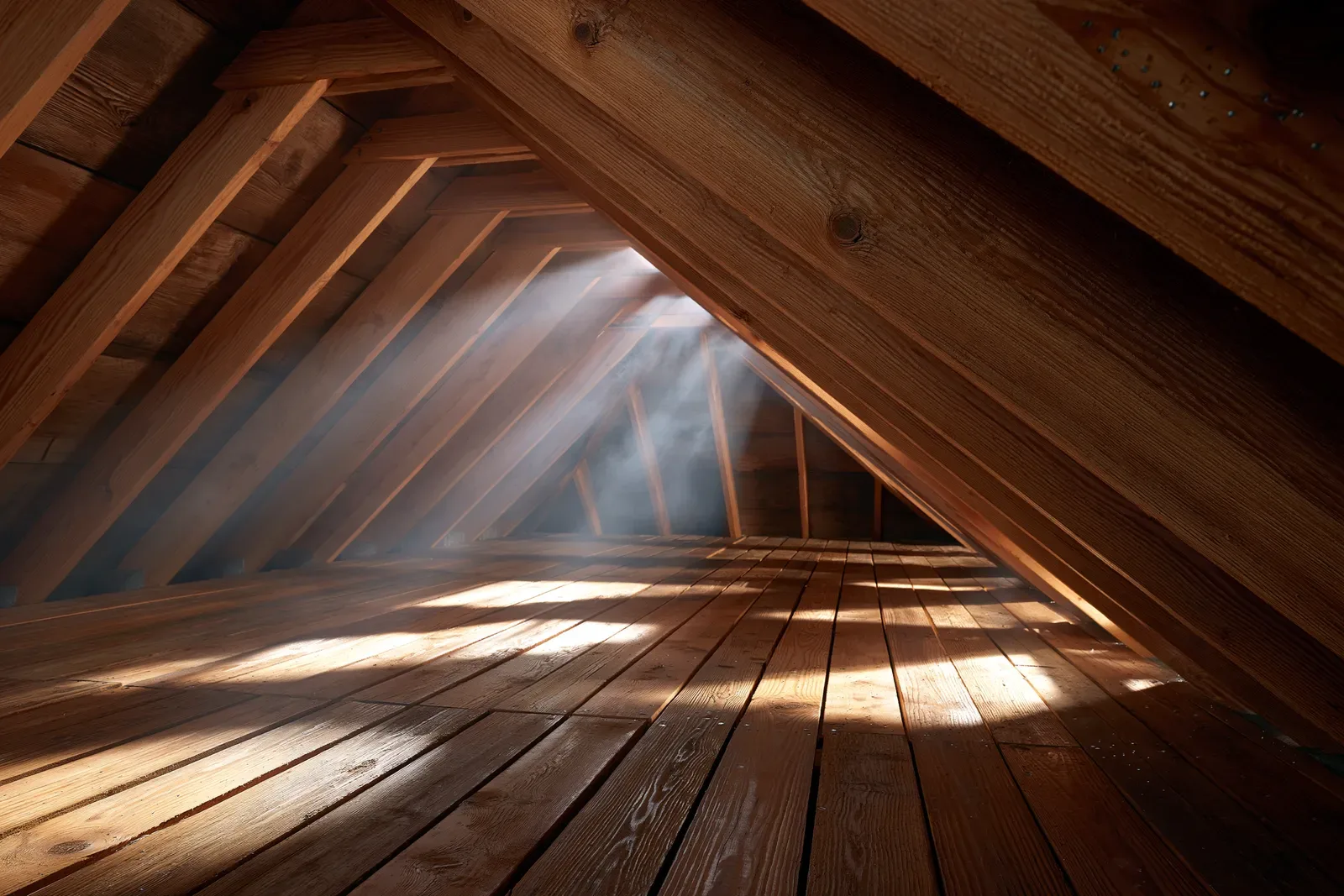
Sunlight streams through wood roof rafters and trusses in an open attic
Sunlight through rafters and plank decking in an older attic. Illustrative photograph.

Two districts, listed in 1992 and 1993

The West Central Avenue district was listed on October 22, 1992: forty houses, most from 1885 to 1935. The Third Street district followed on November 12, 1993: fourteen properties developed after the railroad reached Bentonville in 1881, mostly wood-frame houses of one to two and a half stories.

National Register listing alone does not impose federal restrictions on a private owner’s work; federal involvement and local requirements are separate questions. Bentonville adopted a Downtown Neighborhood overlay in 2026. Before changing a roofline, covering or visible detail, confirm the lot’s current overlay requirements with Planning and the proposed work’s permit requirements with Building and Fire Safety.

  • West Central Avenue district listedOct. 22, 1992
  • Third Street district listedNov. 12, 1993
  • Most houses built1885 to 1935

National Register listings 92001349 and 93001202; National Park Service owner guidance; City of Bentonville code amendments, ORD 2026-077. Checked September 23, 2026. Confirm the current parcel boundary and project requirements with the city.
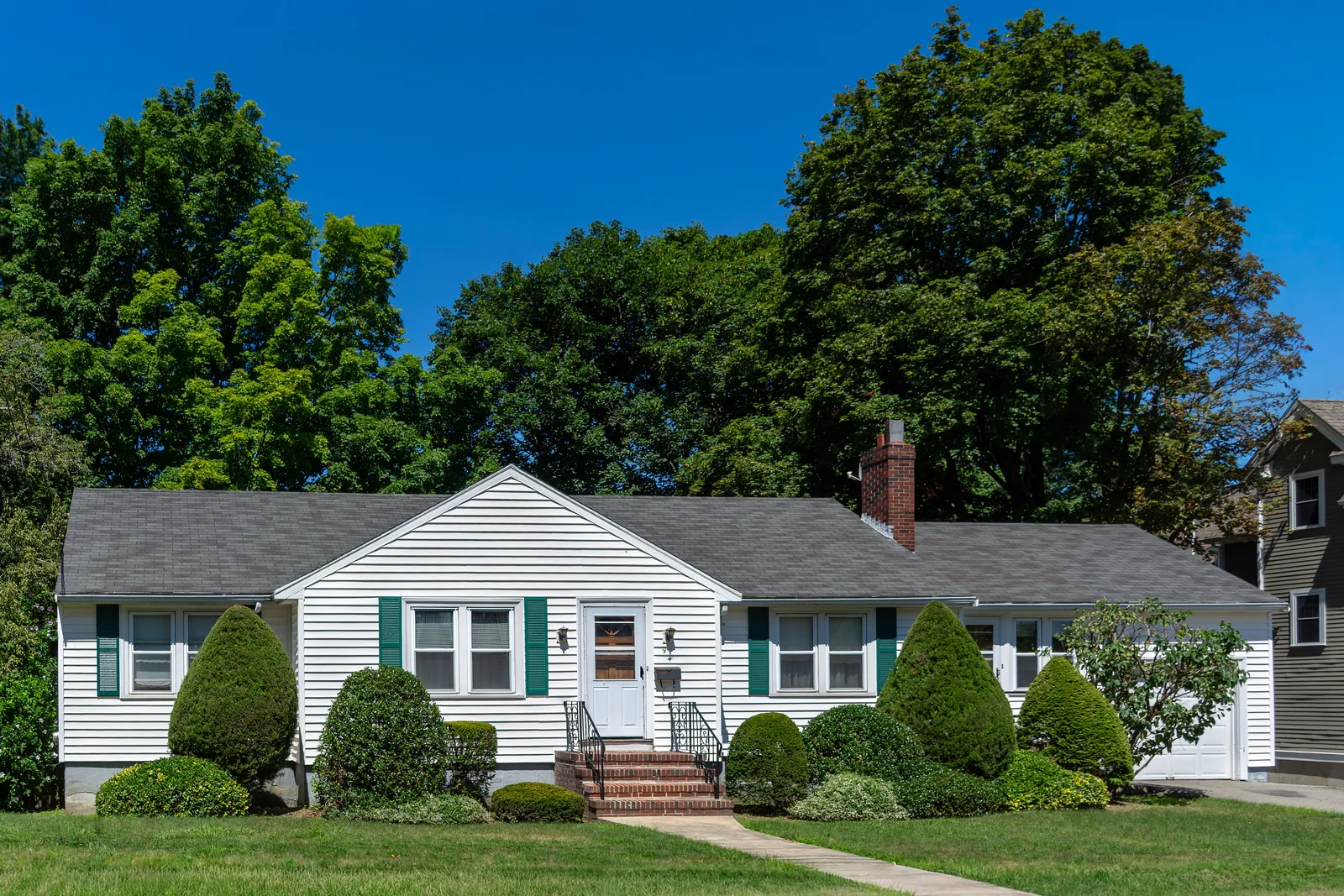
Light blue home with dark asphalt shingle roof and front porch
A single-story house with a front porch. Illustrative photograph.

What a roofer checks on a house this age

Roof coverings, supporting wood, masonry and ventilation may have been altered at different times. The inspection should identify what remains sound and where those parts no longer work together.

Plank decking

Where board decking remains, check board condition and gaps against the covering’s fastening requirements. Repairs or additional sheathing may be needed. Describe the proposed treatment and the allowance for concealed damage before removal.

Chimneys

Open mortar joints, a cracked crown or failed flashing can admit water by different paths. The inspection needs to separate masonry defects from roof connections. Rebuilt flashing and a cricket, where the chimney geometry calls for one, address different parts of that water path.

Dormers and valleys

Dormer shapes can create roof-to-wall joints and valleys that collect runoff. Check the lining, laps and adjoining covering. Rebuilding a concealed valley or flashing can require removing more roofing than the visible defect alone suggests.

Attic airflow

For a vented attic, check the intake, exhaust and any obstructions rather than assuming the house has its original ventilation. Unvented assemblies need a different moisture-control approach. The roof proposal should explain any required changes.

Keep the look, fix the roof

Material selection has to work with the house’s roof shape, structure and applicable appearance requirements. These options create different profiles and require different supporting details.

Covering
Why it suits an old house
What to know
Architectural shingles
A heavy shadow line that reads well on steep gables and dormers, in colors that sit with old brick.
Impact-rated products offer a stated test classification, not a hail-proof roof. Compare the actual product, installed scope and warranty; ask the insurer about any premium effect.
Designer shingles
Some profiles suggest slate or wood shake, with product-specific weight and installation requirements.
They remain an asphalt roof system. Suitable support, flashing, underlayment and the assembly’s ventilation or moisture design matter alongside the profile.
Metal shingles or standing seam
Metal shingles and panels offer different appearances; pitch, attachment, thermal movement and the house’s details determine which fits.
Movement, trim and every flashing detail are different. The roofer prices it as the whole roof, not the panels.

Separate the chimney leak from the roof connection

On an older house, previous roofing work and masonry repairs may meet at the same chimney. Water can enter through open joints or a damaged crown as well as through flashing at the roof. Similar interior stains can result from different defects, so the inspection should follow the entry before choosing the repair.

Counter-flashing sheds water over the roof flashing; its connection to the masonry needs a durable, suitable detail. An uphill cricket may be needed for the chimney’s width and roof geometry. A cracked crown or deteriorated brick needs its own masonry repair scope, coordinated with the roofing work. Surface sealant alone does not rebuild failed laps or repair damaged masonry.

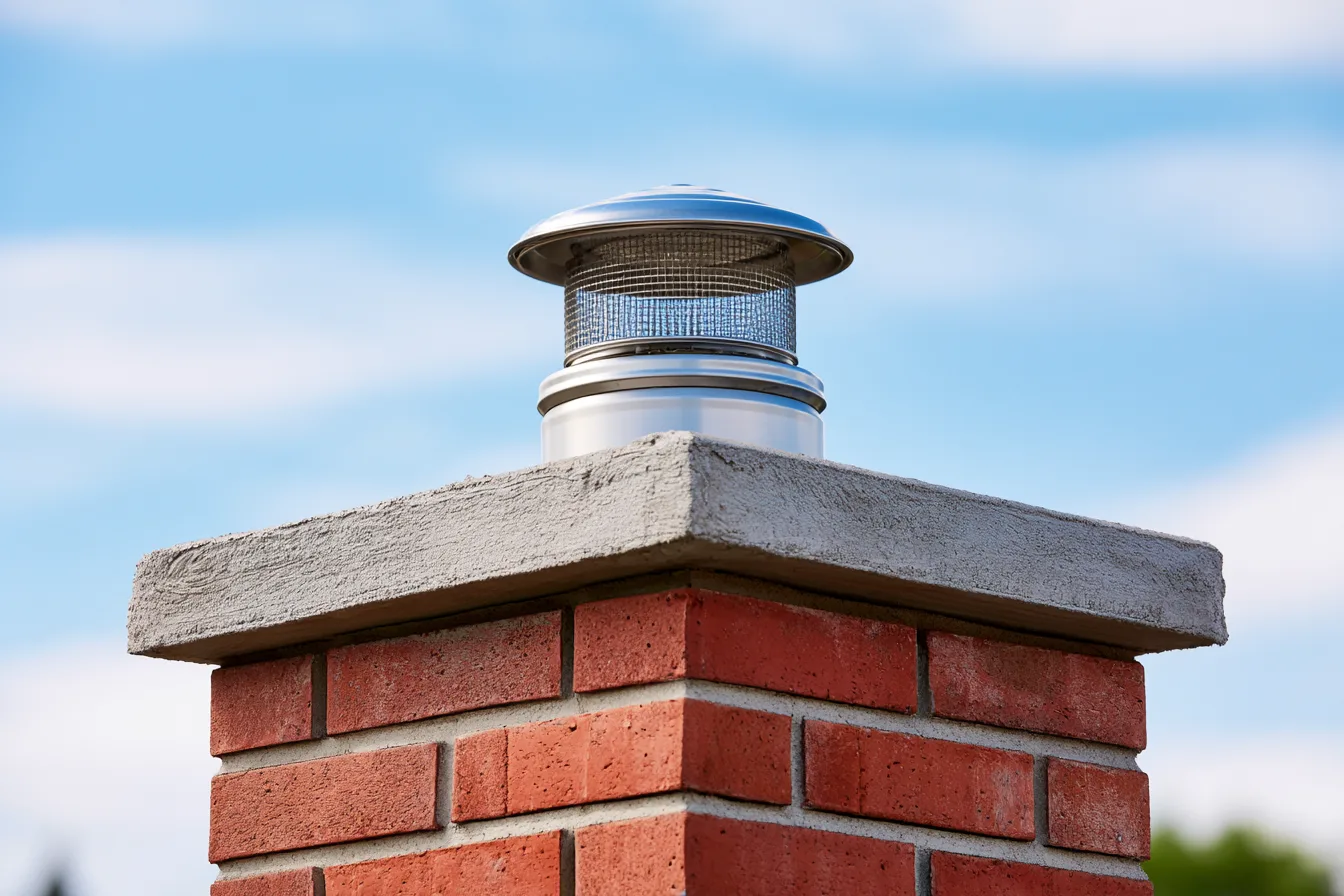
Brick chimney top with concrete crown and rain cap
A brick chimney with a concrete crown and rain cap. Illustrative photograph.
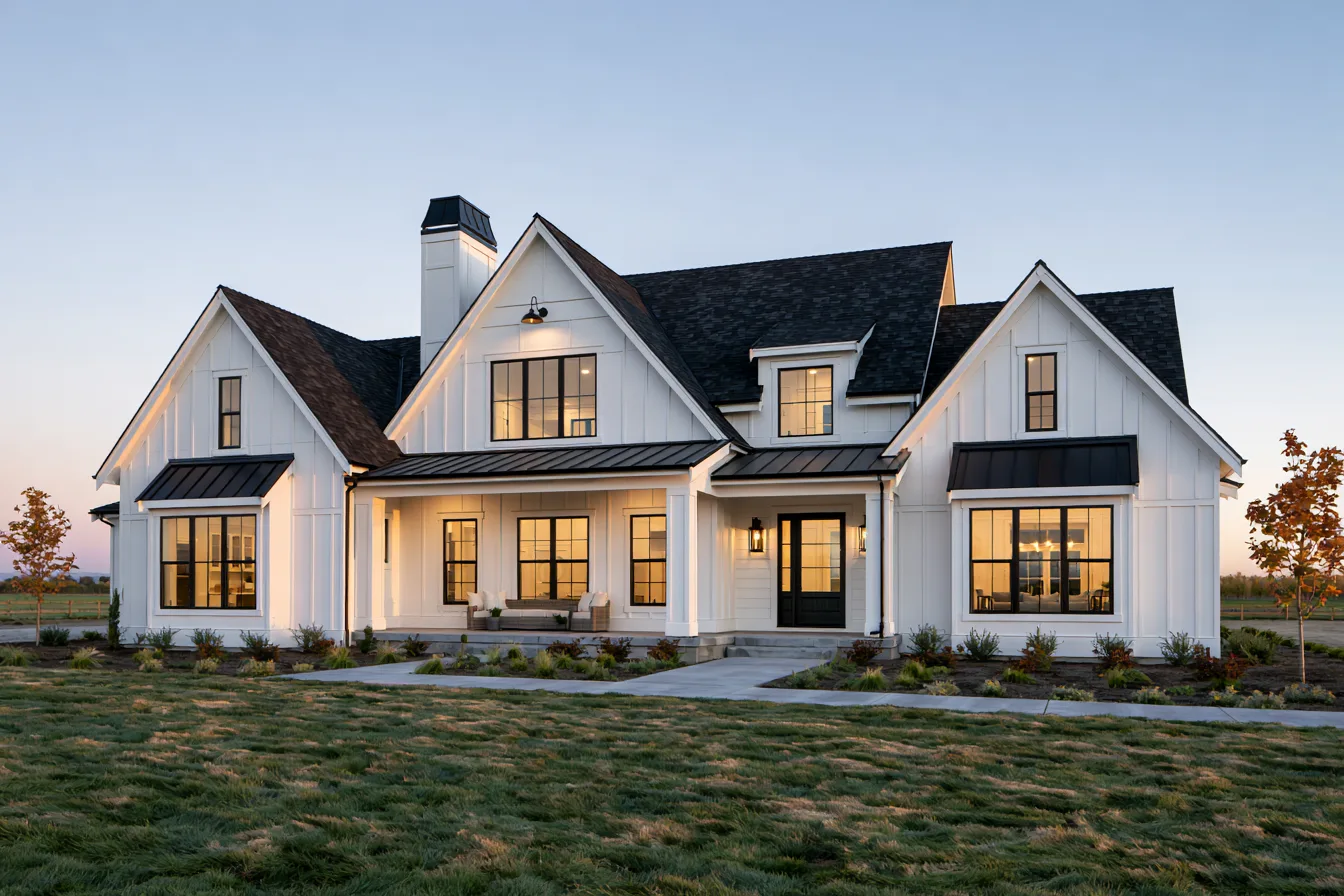
A white modern farmhouse with black windows and a dark gray shingle roof at dusk

Get a roofer on your old roof

Tell us the street, what you have noticed and anything you already know about the roof’s history. A free inspection helps establish the current condition and useful next step.

(479) 364-4803

Have a roofer walk your roof

It’s free, and asking commits you to nothing.

Call (479) 364-4803Free inspection