Localized repair
A seam, puncture or flashing defect may be repairable where the surrounding membrane and substrate remain suitable. Moisture spread can enlarge the area that needs opening.

Plan TPO roof installation, replacement or repairs around the membrane and the assembly supporting it.
The visible membrane is only the top of the roof. Beneath it are the insulation, any cover board, attachment and deck that support it. A replacement proposal needs to explain those layers as well as the membrane itself.
TPO roofing in Bentonville can be considered for suitable commercial low-slope roofs. Heat-welded seams join the sheets, while separate details connect the field to curbs, drains, parapets and roof edges. Each of those interfaces belongs in the installation scope.
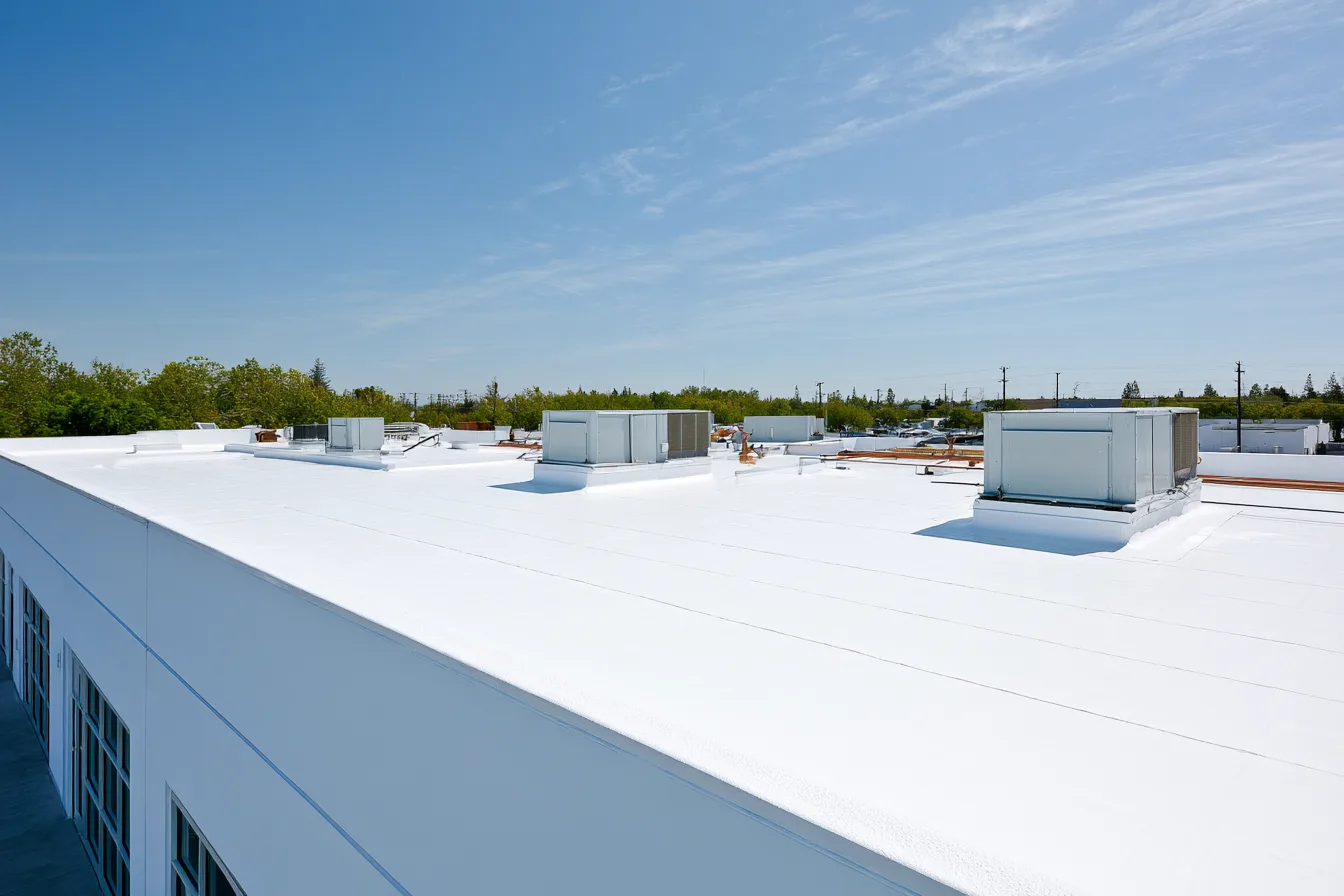
Thickness alone does not specify a complete roof. The chosen system must work with the building and its support.
At a rooftop unit, the membrane changes direction to meet a curb. Corners, terminations and the connection above the flashing need attention because they sit outside the simple field-sheet layout.
Seams also require suitable material preparation and welding. A repair to an aged sheet may need cleaning and evaluation of the existing membrane before a patch can form a reliable connection. This is system work, not a universal adhesive patch.
Existing equipment also affects the replacement sequence. Flashing cannot be completed properly around a curb that is scheduled to move after the membrane is finished. Coordinating those changes avoids cutting open new work and helps distinguish the roofing scope from mechanical or electrical work.
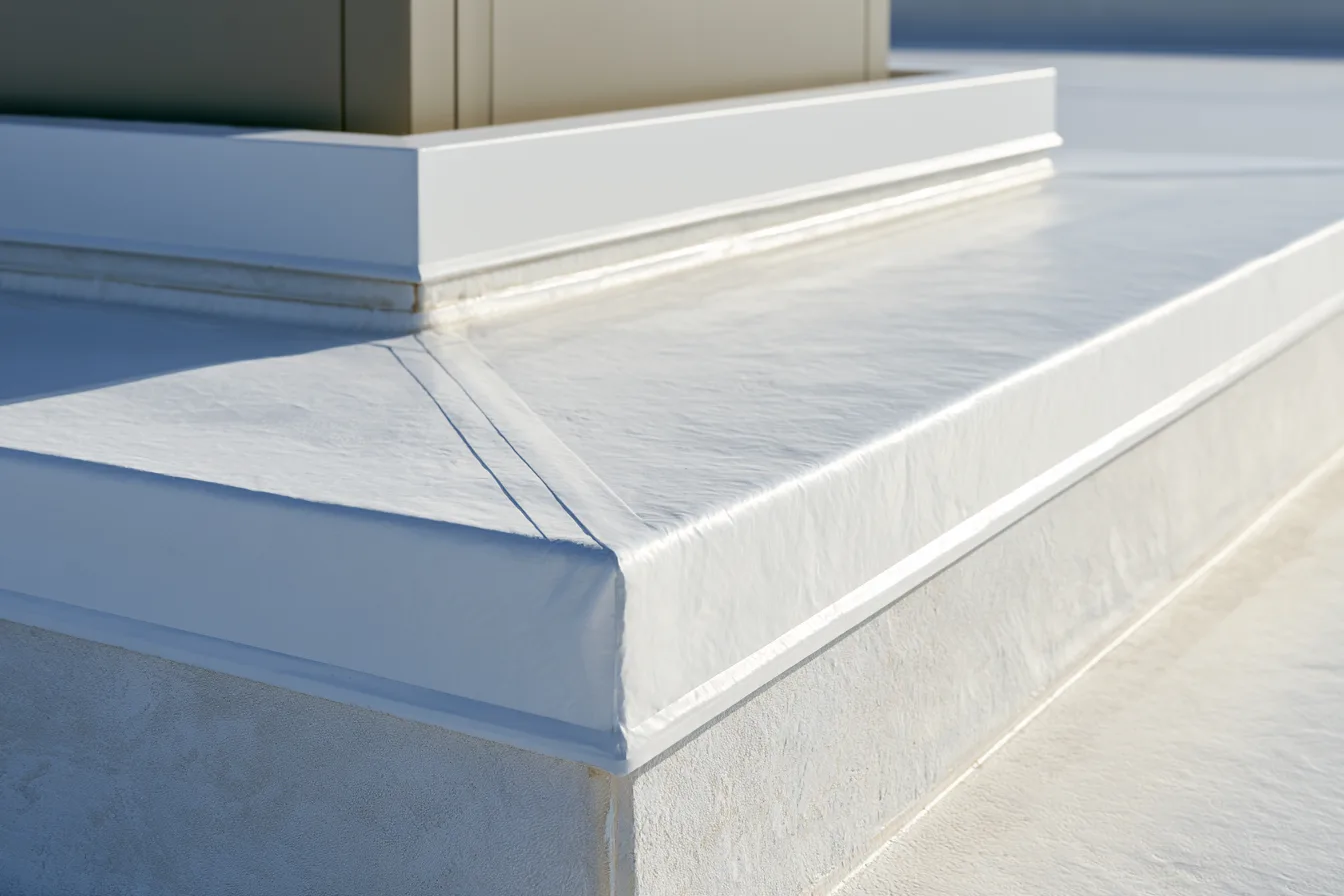
The condition below the surface determines how much existing roof can reasonably remain.
A seam, puncture or flashing defect may be repairable where the surrounding membrane and substrate remain suitable. Moisture spread can enlarge the area that needs opening.
A new system over existing material requires suitable dry support, attachment, layer count and compliance with the applicable design and local requirements. It should not be assumed from a visual overview.
Wet insulation, widespread deterioration or an unsuitable existing assembly can make removal necessary. The new scope should address why the previous system failed.
Thickness is one consideration alongside reinforcement, substrate, cover board, fastening or adhesion and expected rooftop use. The complete tested assembly matters more than treating membrane thickness as the sole quality measure.
A reflective surface can reduce solar heat absorption, but building insulation, equipment, weather and operations affect energy use. No bill reduction is promised here.
Service routes and suitable walkway protection should be planned with the roof. Sharp tools, dropped equipment and repeated traffic can damage a membrane that was not intended as a general work platform.
A watertight patch does not change the roof’s slope or outlet arrangement. A flat roof repair assessment should distinguish a membrane defect from a drainage problem.
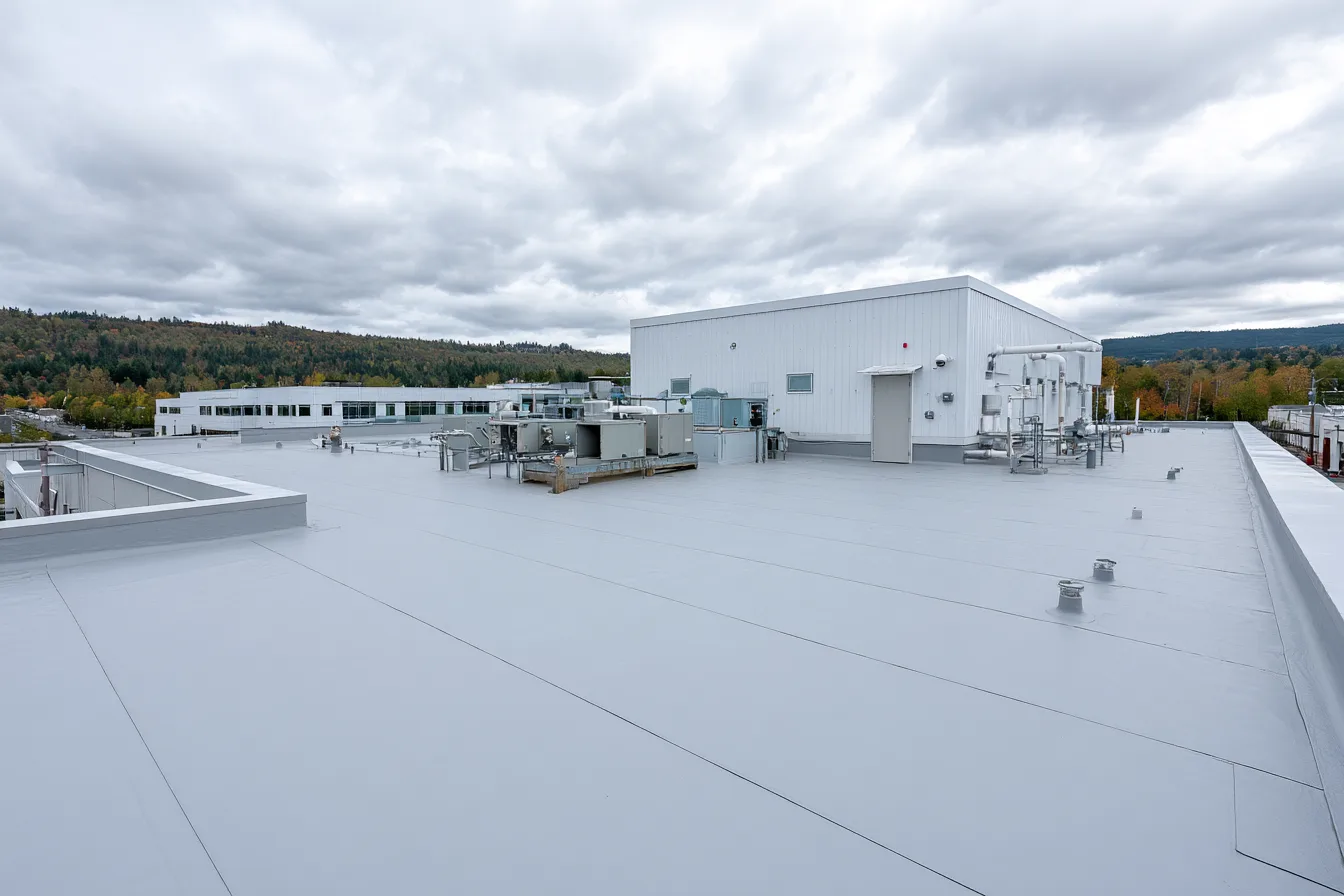
Tell us about the building and whether you are considering a TPO repair, recover or replacement. The existing assembly will shape the options.