Hangers and pitch
Loose or failed support can let a section sag and retain water. The support beneath the hangers needs to be sound; new fasteners in deteriorated fascia do not solve the underlying problem.

Keep roof runoff moving through the gutters and away from the places it can damage.
Water spilling over the front of a gutter can point to an obstruction, too little outlet capacity or a run that no longer drains properly. Water behind it may involve the roof edge, gutter position or fascia. These are different repairs.
Describe where water shows up during rain. The roof-to-gutter connection and the path through the downspout should be considered together before deciding that the whole run needs replacement.
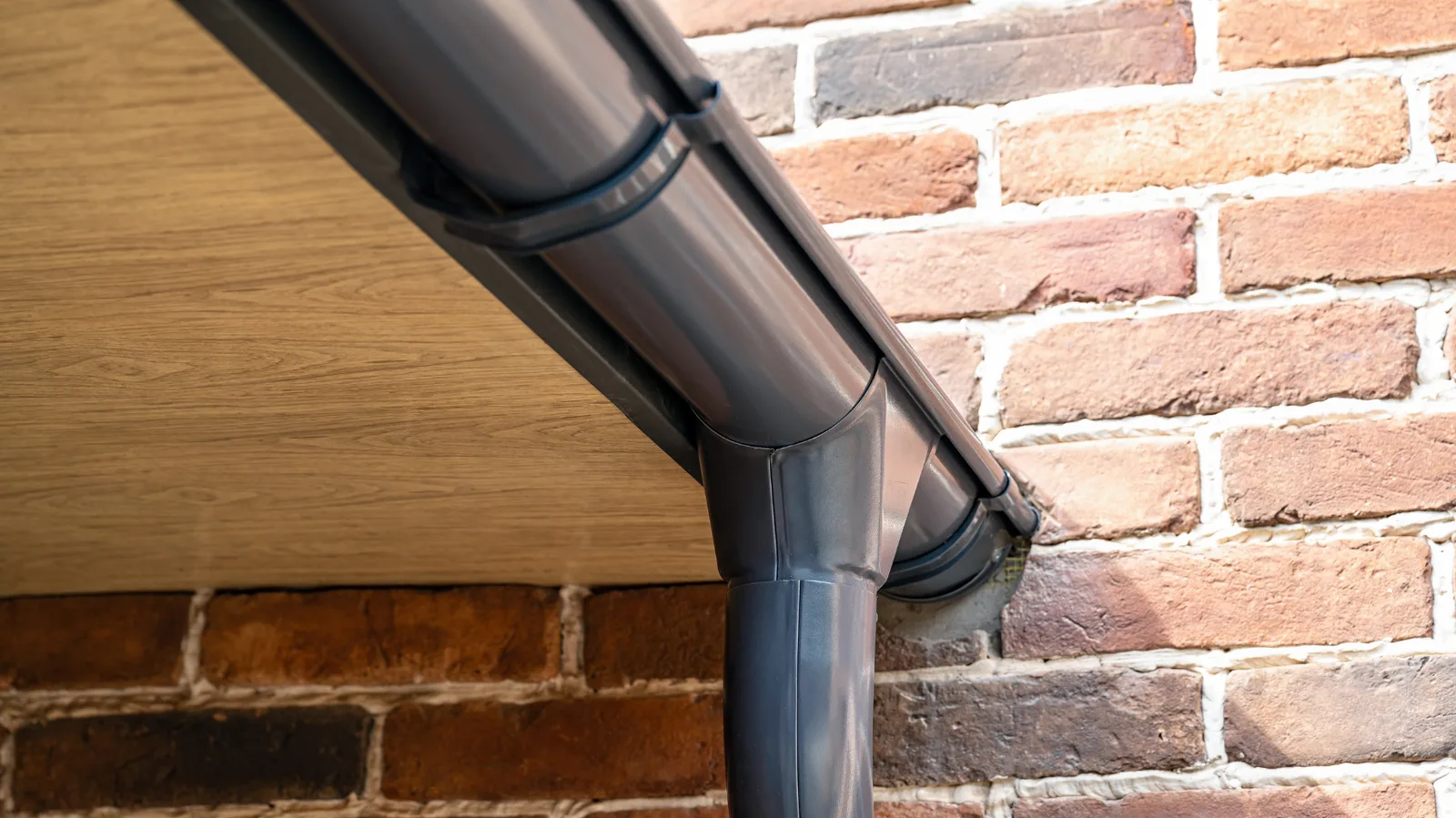
A focused repair is useful when the surrounding system is in good condition. Where deterioration is spread along the run, replacement may be a better use of the work.
Loose or failed support can let a section sag and retain water. The support beneath the hangers needs to be sound; new fasteners in deteriorated fascia do not solve the underlying problem.
Leaking joints or obstructed outlets can concentrate water at one point. Cleaning and repair need to preserve a clear path through the run and downspout.
The gutter should receive water from the roof edge. Damaged fascia, missing edge protection or an incorrect connection can let runoff pass behind it. Roofing and carpentry scope should be made clear.
Downspouts need somewhere sensible to send the water. Discharging beside an entry, across a path or into a blocked connection can move the problem from the eave to the ground.
A gutter proposal should identify the discharge arrangement. Underground drainage, foundation repairs and changes to site grading may need a separate qualified trade. Replacing the visible gutter does not establish that those systems are working.
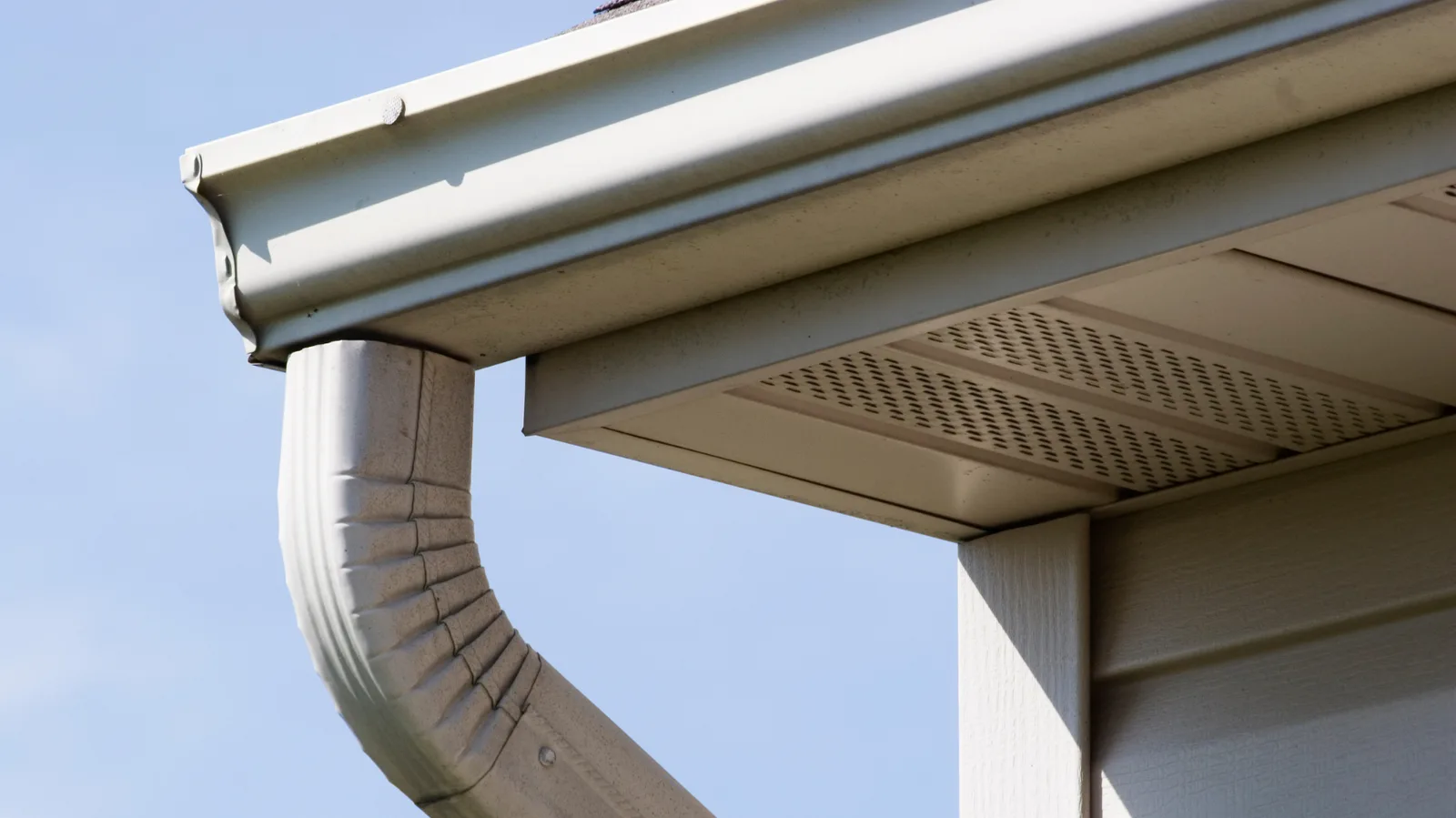
Choose the scope based on the condition and water path.

Tell us where the water is going wrong. Request an inspection to discuss gutter repair or replacement with the roof edge in view.