Shingles
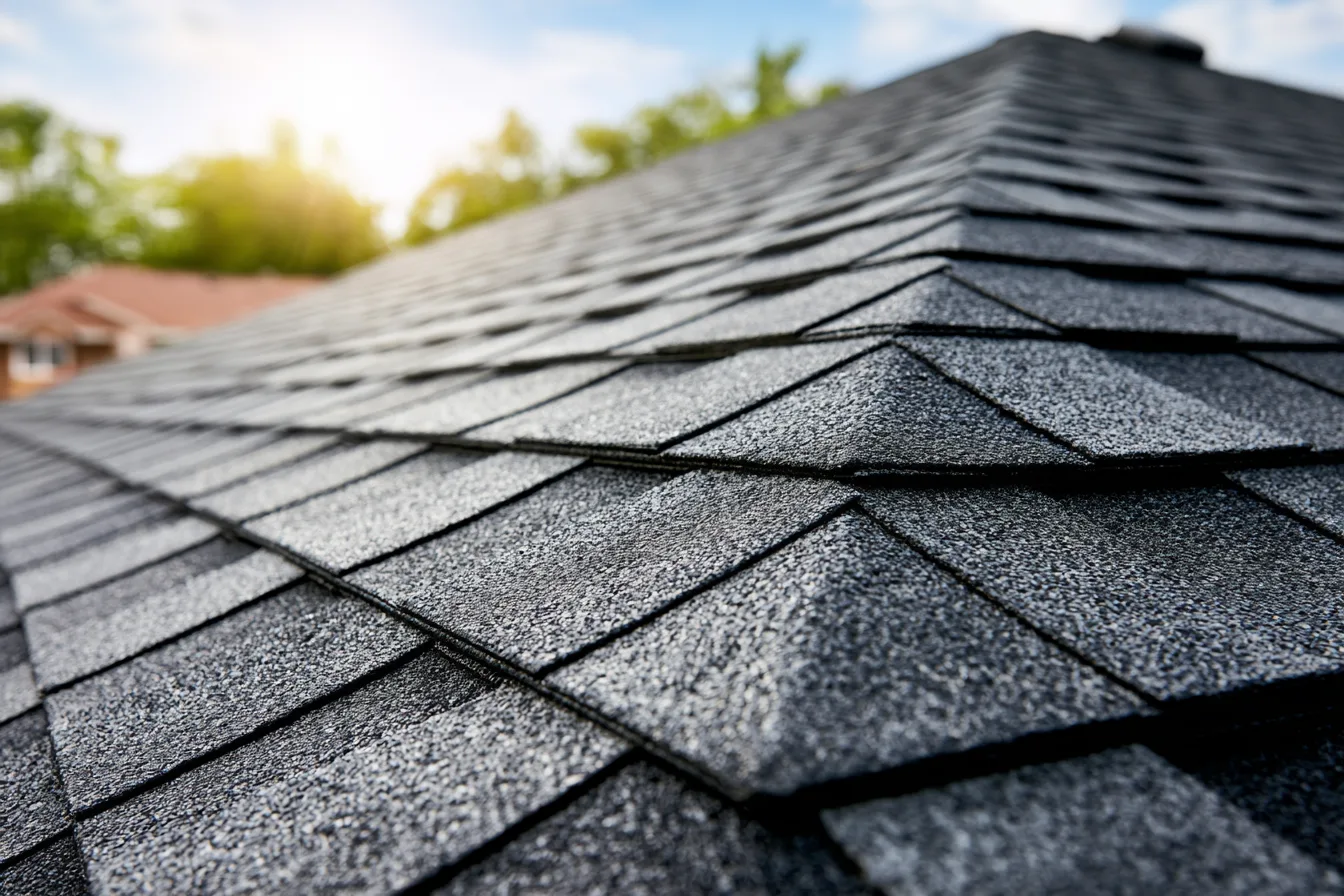
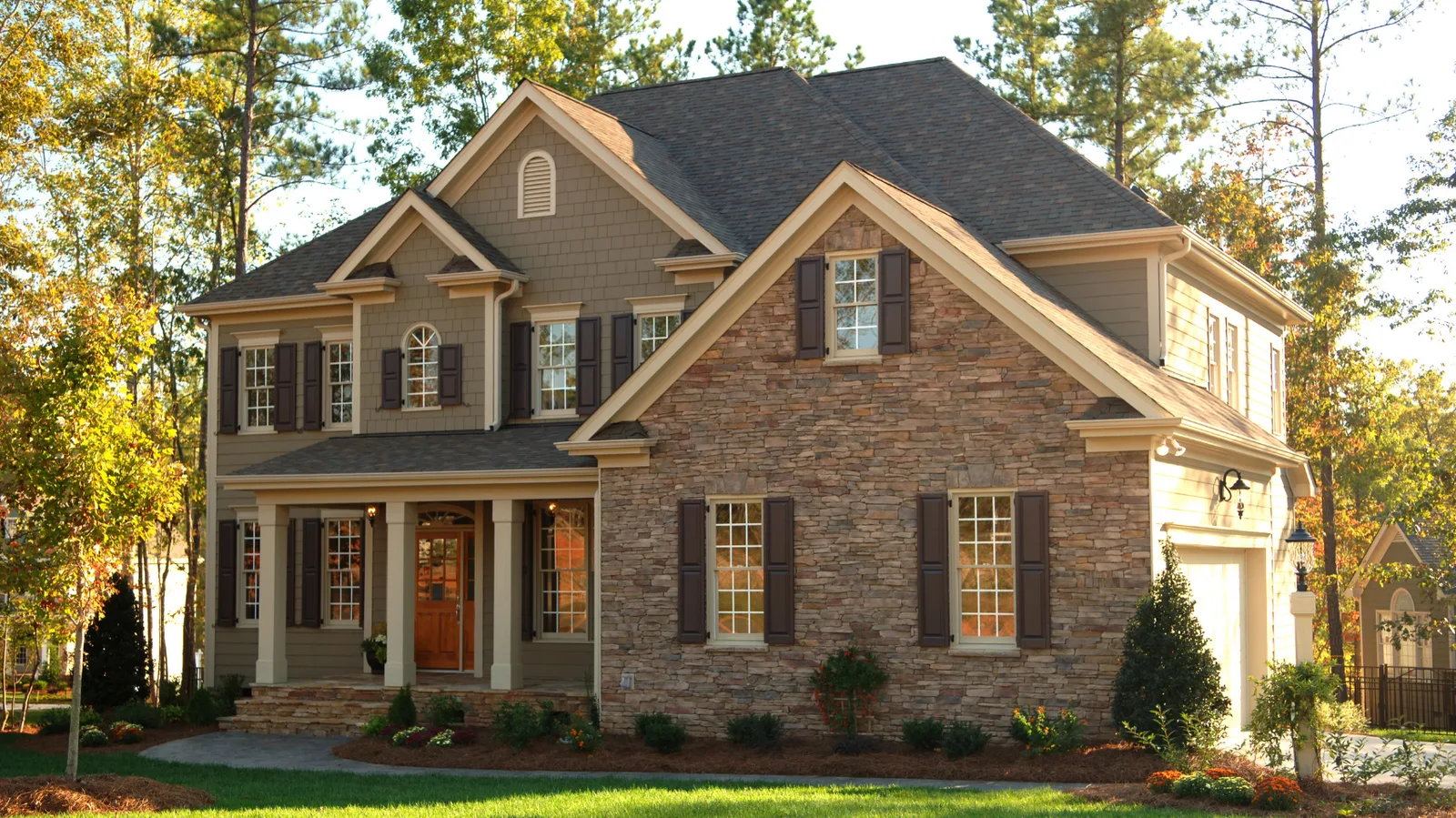
A familiar choice with several construction and appearance options. The selected product, flashings and accessories work together as a system.
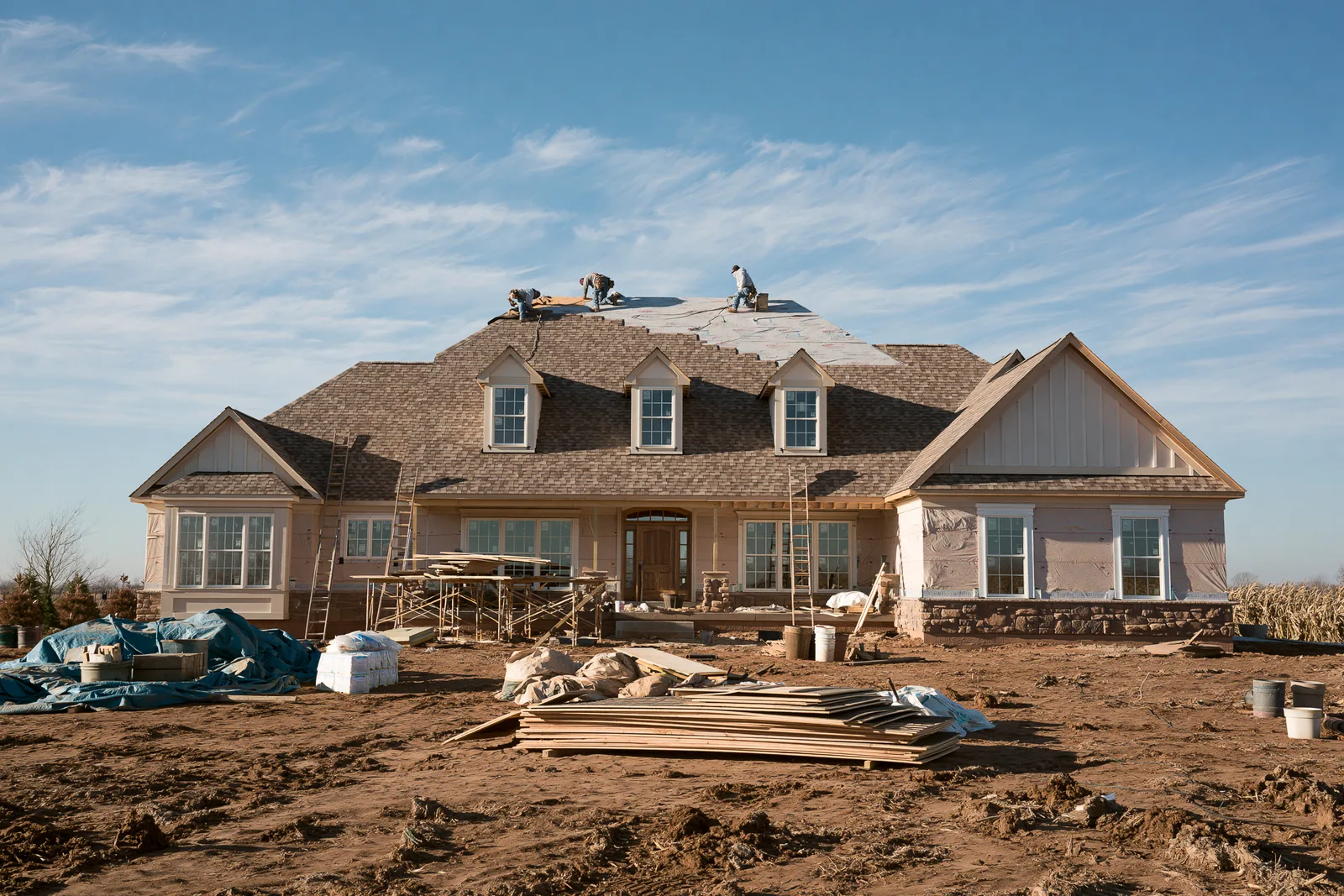
Plan a new roof around the covering, the structure beneath it and the way your household uses the property.
When leaks keep appearing in different places or the covering has become difficult to repair, a new roof can be a more useful investment than another series of patches. The decision should come from the condition of the roof, not a universal age cutoff.
Removing the covering gives access to decking, edges and roof-to-wall connections. It is the right moment to address failed support and poorly connected details before a fresh surface hides them again.
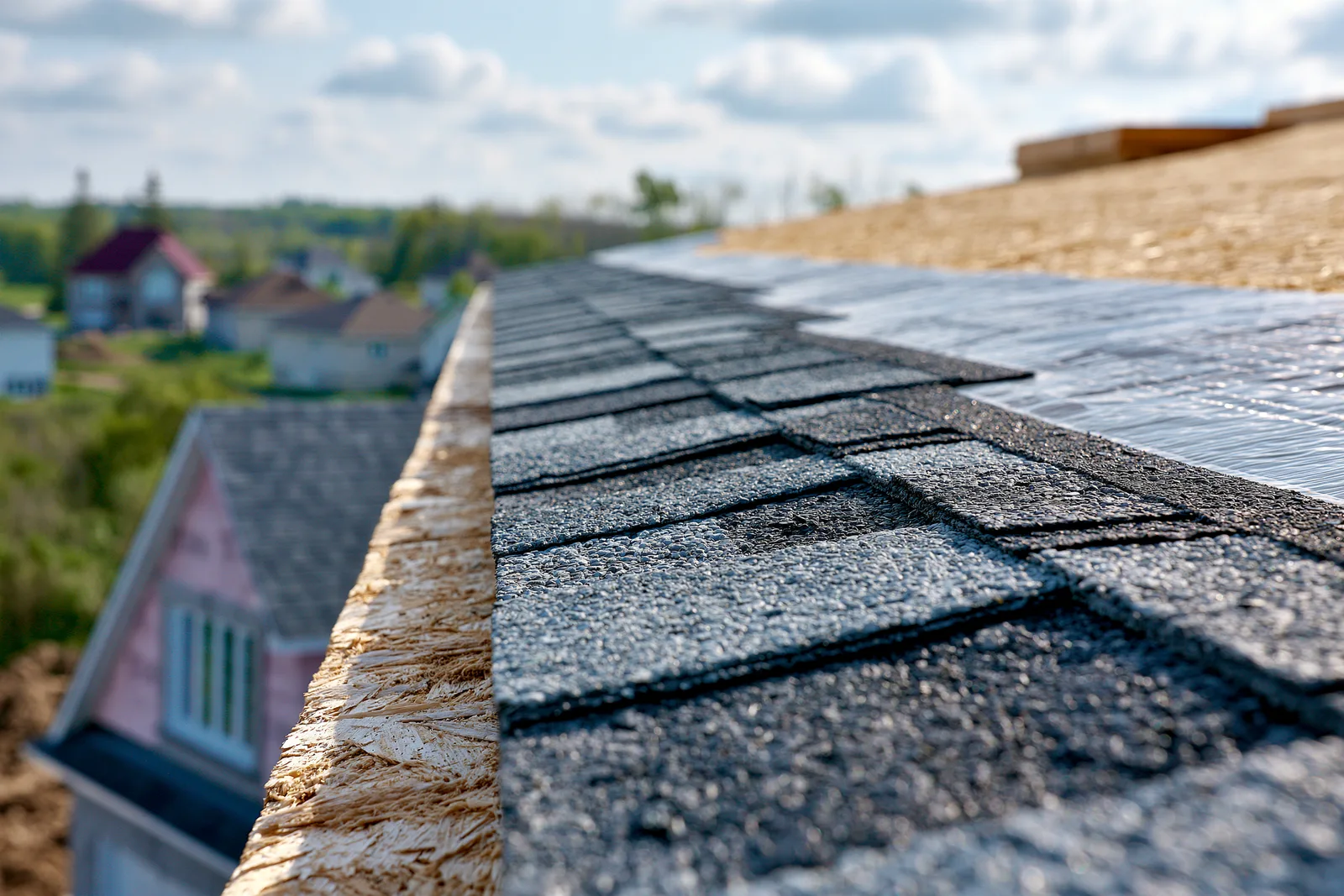
The exact sequence depends on the roof and weather. The work needs a plan for keeping the building protected as each area is opened.
Define access, material staging and disposal, then remove the agreed roof layers. The property remains a home while this work is underway.
Review exposed decking, replace damaged support as needed and prepare edges, valleys and roof penetrations for their water protection.
Install the selected covering with its required fastening and details. Complete flashing, ventilation connections, cleanup and the agreed closeout checks.
A proposal needs to describe the roof that will be built, including items that affect the price when the old covering comes off.
Think about where cars, deliveries and people normally move. Tear-off debris and staged material need room, while doors and essential access still need a plan. Pets, children, gardens and outdoor equipment also deserve attention before work begins.
Noise and vibration are part of roof replacement. Weather, roof complexity and hidden repairs affect the schedule, so a fixed one-day promise would be misleading. The project discussion should establish the likely sequence and how weather interruptions are handled.
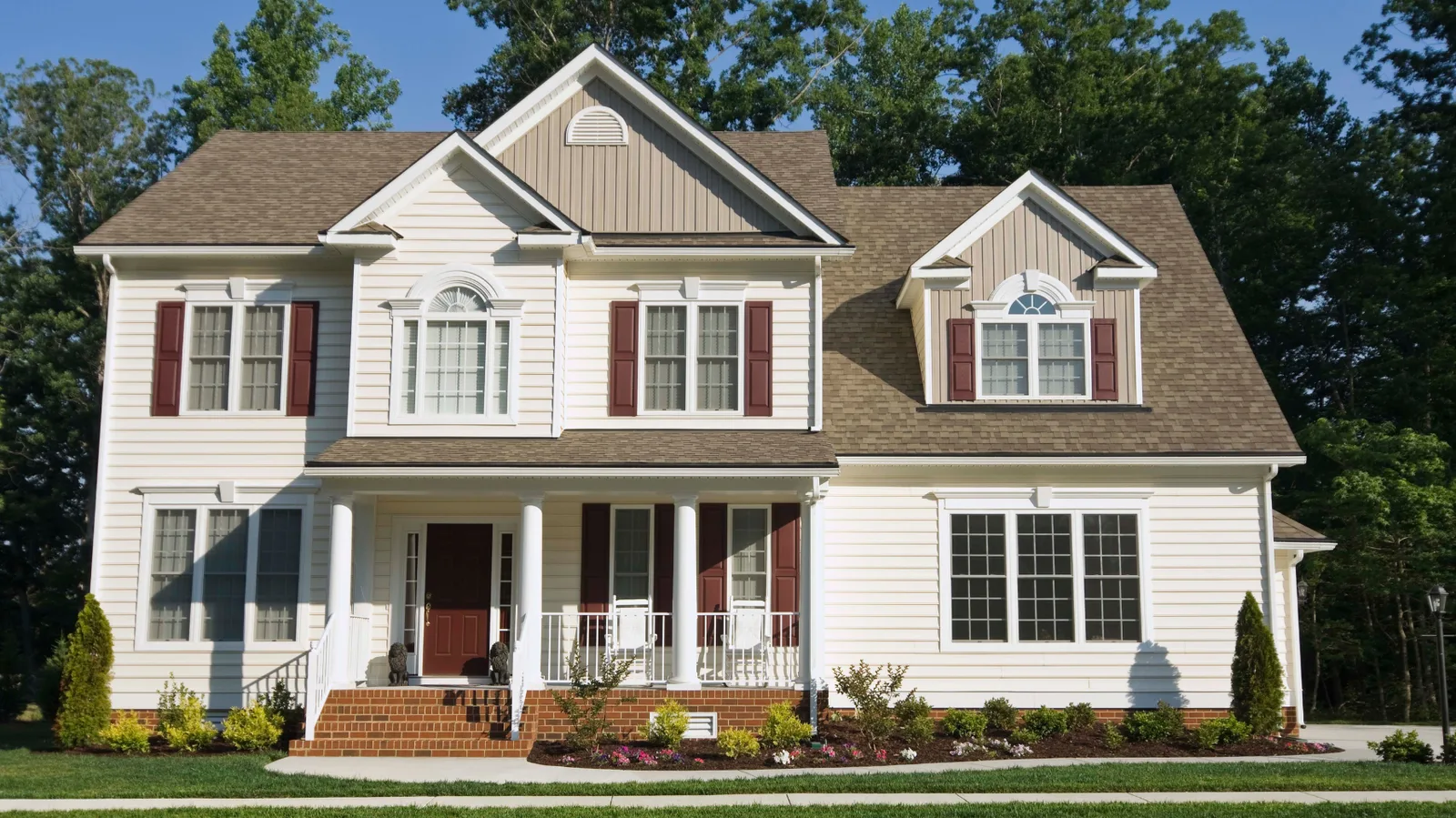
Price the material as part of the same complete roof. Comparing a shingle tear-off with a metal material-only figure is not a comparison of equivalent work.
A familiar choice with several construction and appearance options. The selected product, flashings and accessories work together as a system.
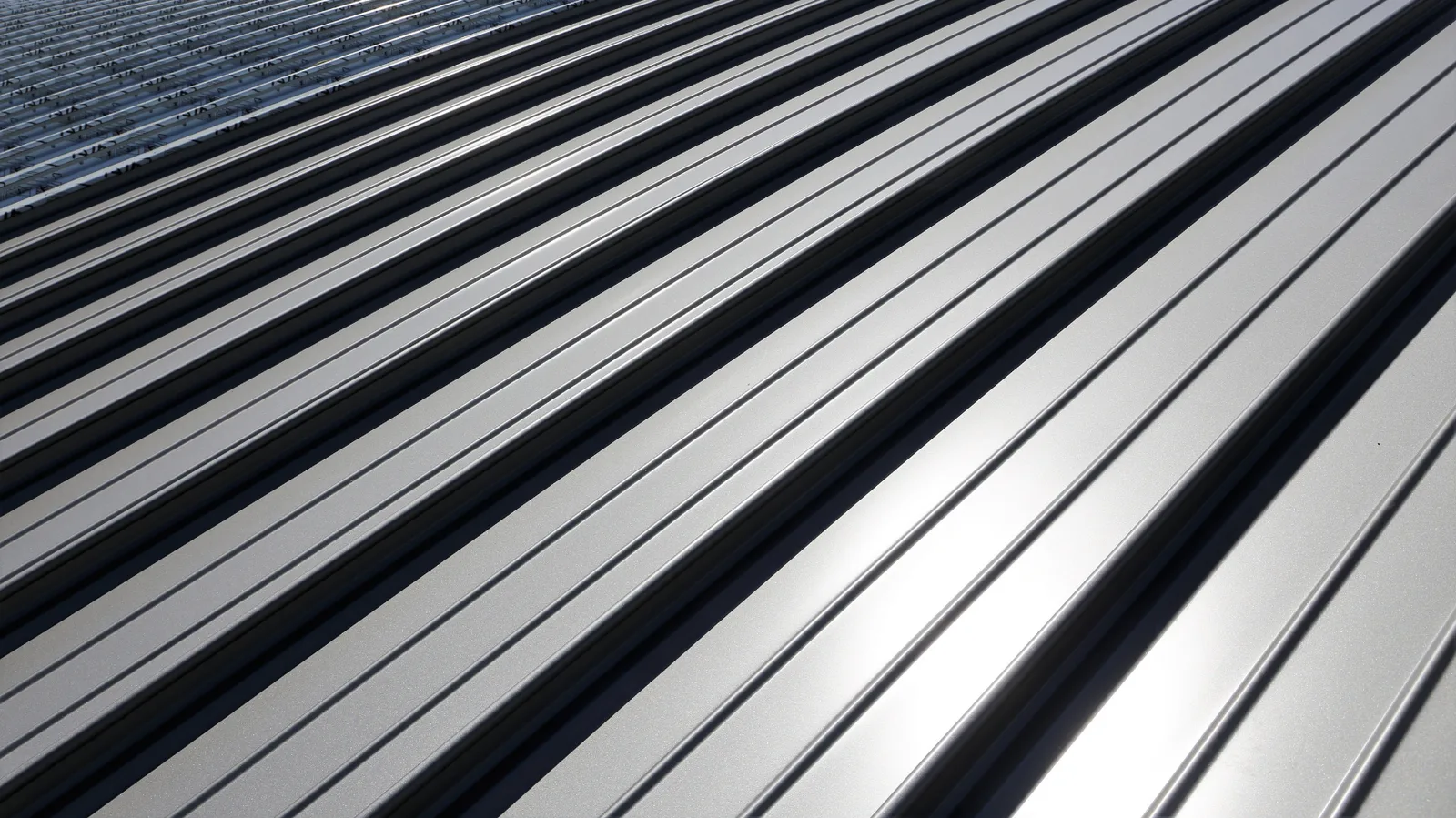
Panel attachment, movement, trim and penetrations add different installation requirements. The initial budget is commonly higher than a conventional shingle assembly.
No. Age is useful context, but exposure, installation, past repairs and present material condition vary. A roof that can still accept reliable repairs is a different situation from one with widespread brittle shingles and deteriorated decking.
The price depends on measured roof area, material, access, tear-off and hidden damage. Our roof budget guide labels the available national benchmark and explains the variables. It is not a local quote or a price based on living area.
No. A warranty sets coverage for specified problems and conditions. It is not a prediction of service life. The warranty guide separates material and workmanship coverage.
Requirements should be confirmed for the property and actual work before the project is scheduled. Bentonville uses an online permit process. The permit guide keeps the official city information in one place.
If replacement is on your mind, a free inspection can help define the roof you need and the work that belongs in the proposal.